PEST CONTROL
Noises in the attic in October. How a one-time rat call becomes a quarterly plan
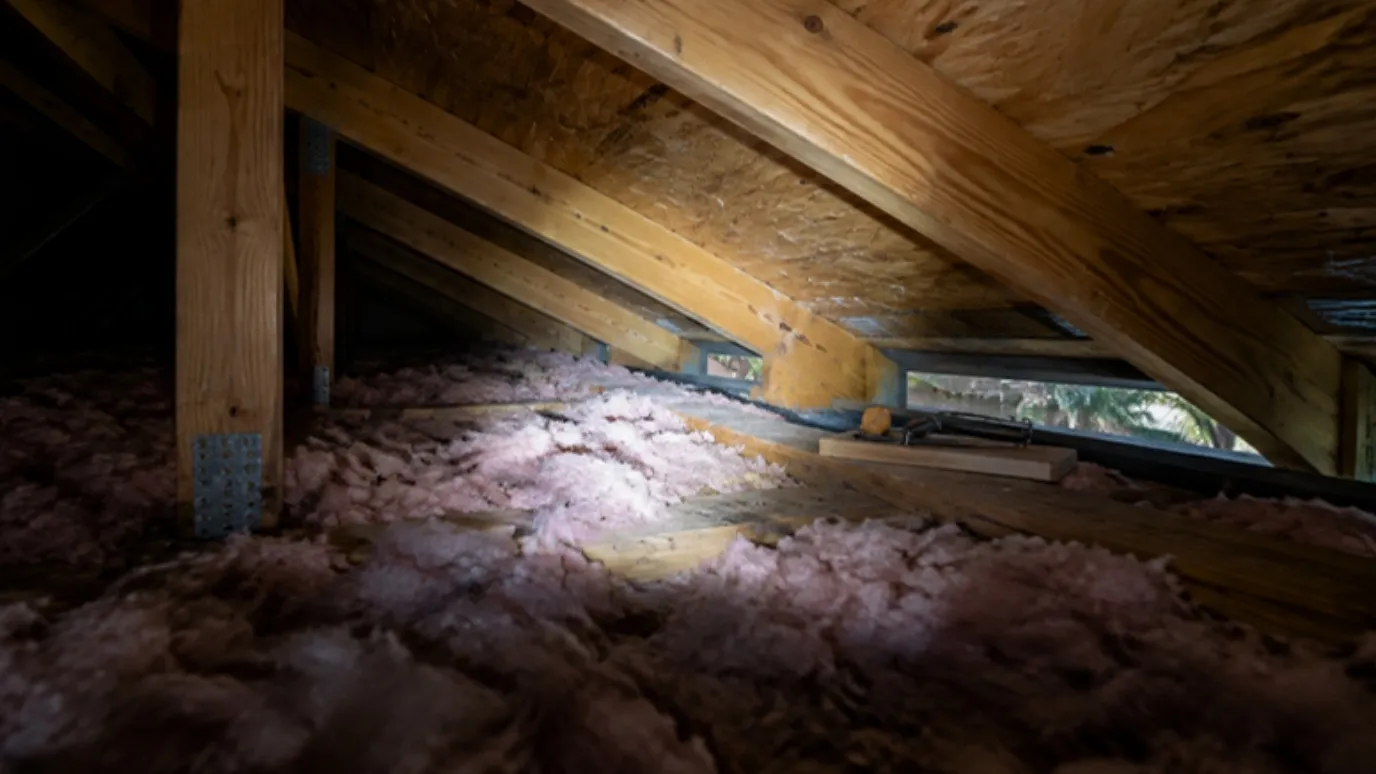
In October the nights in South Florida finally cool off a little. That is when many homeowners start to hear it: scratching in the ceiling at night. Roof rats climb trees and wires and look for a warm attic. The owner calls. You go out, do the work, and get paid. Then you never hear from them again.

A note on what this is. We do not know how many of your one-time jobs could have been plans. Your own records do. This post shows how to find out, and how to ask without pushing.
THE SHORT ANSWER
Why does the one-time call stay one-time?
Because nobody asks. The tech finishes, the customer pays, and the next call is already waiting. A plan might come up at the door, but the customer is thinking about the noise, not about next spring. A week later they are calm, and that is when they would listen. By then, nobody is asking.
How many of your one-time jobs became plans?
Check it this week. Open your job history for last fall and winter. List every one-time rodent or roach job. Next to each name, mark if that customer is on a plan today. Count both columns. Nobody else has that number. If most of them already became plans, your team asks well, and you can stop reading here.
What should the follow-up say?
Keep it short, in the customer’s language, and about them. Here is a sample:
- A few days after the visit: "Hi, this is Carlos from Rivera Pest. Is the noise in the attic gone? If not, reply and we will come back."
- A few weeks later: "Hi, this is Carlos again. We also have a plan with a visit every three months. Want me to send you the details and the price?"
- That is all. If they say no, thank them and stop.
The first text is not a sale. It is a check on your own work, and customers notice that. The second one makes the offer once. Write the timing and the plan details to match how your company works.
One check-in, one offer, then silence. A follow-up that keeps going after a no does more harm than no follow-up.
When should the texts stop?
When the customer replies, books, or texts STOP. A reply means a person should take over, not a machine. A booking means the job is done. A STOP means stop, every time. Nothing should go out between 8 PM and 8 AM either. A text about rats at 10 PM is not a good look.
What about tenants and landlords?
Many rodent calls come from tenants, but the plan is the landlord’s decision. Ask on the first call who owns the house and who pays. If it is a landlord, the offer goes to them. A tenant cannot sign a plan for a house they do not own.
Where does automatic follow-up fit?
If your office already calls every one-time customer after the visit, you do not need it. If nobody does, the automatic follow-up on the Crew plan sends the two texts above on the days you pick. It goes out in the language saved on the card. It stops on a reply, a booking or a STOP, and it waits for quiet hours to end. When a customer replies, the thread goes to a person.
Related
Counted last fall’s one-time jobs?
Bring the two columns to a 30-minute call. We will write the check-in and the plan offer with you, in both languages, and set when they go out and when they stop.