WATER DAMAGE
After the drying: the two check-in texts, at two weeks and at six, that nobody sends
The drying went well. The readings came down, the fans and the dehumidifier went back on the truck, and the job closed. Three weeks later the customer sees a spot near the baseboard. Or the closet smells musty. They wonder if it is mold. They wonder who to call. If nobody from your company has said a word since the pickup, they may search and call someone new.

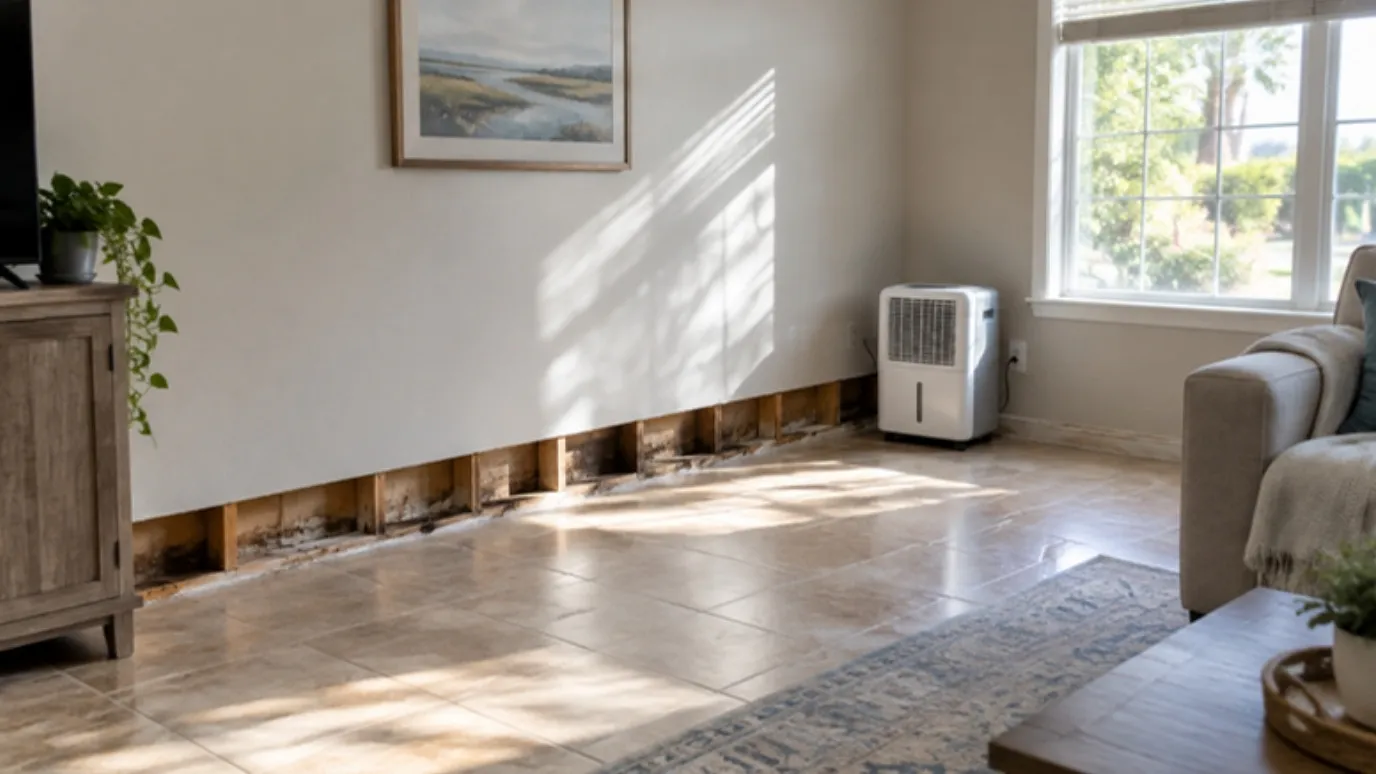
A note on what this is. We do not give mold advice, and neither should a text. This is about staying in touch after the job, so the customer knows who to ask.
THE SHORT ANSWER
Why do customers worry weeks later?
Because the drying is invisible to them. They saw fans and heard a hum for a few days. They did not see the readings. So when anything odd shows up later, a stain, a smell, a soft spot in the floor, the first thought is that something was missed.
Sometimes it is nothing. Sometimes it is a new leak. Sometimes it needs a closer look. In every case, they need to hear from the company that knows the house. That is you.
What should the two texts say?
Short, in their language, with no promises and no diagnosis:
Sample, two weeks. EN: Hi Marta, this is Daniel from Seco Restoration. It has been two weeks since we dried your kitchen. Does everything still look and smell normal? Reply here if anything seems off, and a person will call you. ES: Hola Marta, le escribe Daniel de Seco Restoration. Ya van dos semanas desde que secamos su cocina. ¿Todo se ve y huele normal? Si nota algo raro, contéstenos aquí y una persona la llama.
The six week text says the same thing, and adds one line: "If you know someone who needs us, we would be glad to help." That is the only time you ask for a referral. Once.
Why two weeks and six?
Two weeks is soon enough that the job is fresh in mind, and late enough for a small problem to show. Six weeks catches what is slower. It is also when most people have stopped thinking about the leak and started talking about it. That is when a neighbor asks, "Who did you use?"
You can pick other days. What matters is two texts, not ten, and that they stop.
What if the customer says they see mold?
Then the text has done its job, and the rest belongs to a person. Do not answer with advice by text. A person calls, listens and books a visit. If the work is mold, follow your license and Florida’s rules, and if you do not do mold work, send them to a licensed mold assessor. Many insurers want to hear about new damage soon, so tell the customer to call their insurer too. Do not tell them what it covers.
How many past jobs could use this today?
Check this week. Pull every drying job that closed two to eight weeks ago. For each, ask: has anyone from the company been in touch since the pickup? If the answer is mostly no, send the two week text by hand to each one now. Write down who replies and what they say. That list is your own answer to whether this is worth doing.
Do you need software for this?
Not at a few jobs a month. A reminder in your phone does it. It stops working in storm weeks, when twenty jobs close at once and the reminders get lost.
That is the job of automatic follow-up, on the Crew plan. The job closing on the board starts both texts. They go in the language saved on the card. They never go out between 8 PM and 8 AM. And any reply, a booking or a STOP ends them, so a customer who wrote back "all good" does not get the six week text.
Related
Want the two check-ins on every closed job?
Book a 30-minute call. We look at your closed jobs from the last two months with you, write the two texts in both languages, and set them to start when a job closes and stop on any reply.